Published by California Dating Guide
There is no single California dating personality

California contains communities with different age mixes, industries, social networks, routines, and cultural backgrounds. That variation affects how people meet, how much time they have, what they consider a normal pace, and how directly they talk about relationships. A pattern that seems familiar within one workplace, friend group, or community may not travel far beyond it.
This is why broad labels about California dating tend to obscure more than they explain. Someone may prefer a slow, highly planned approach; someone else may be comfortable with more spontaneous contact. Neither preference is inherently more representative of the state. Regional and community context can help explain the setting around an interaction, but it cannot substitute for learning an individual person's expectations.
Informal settings can shape the tone of early dates
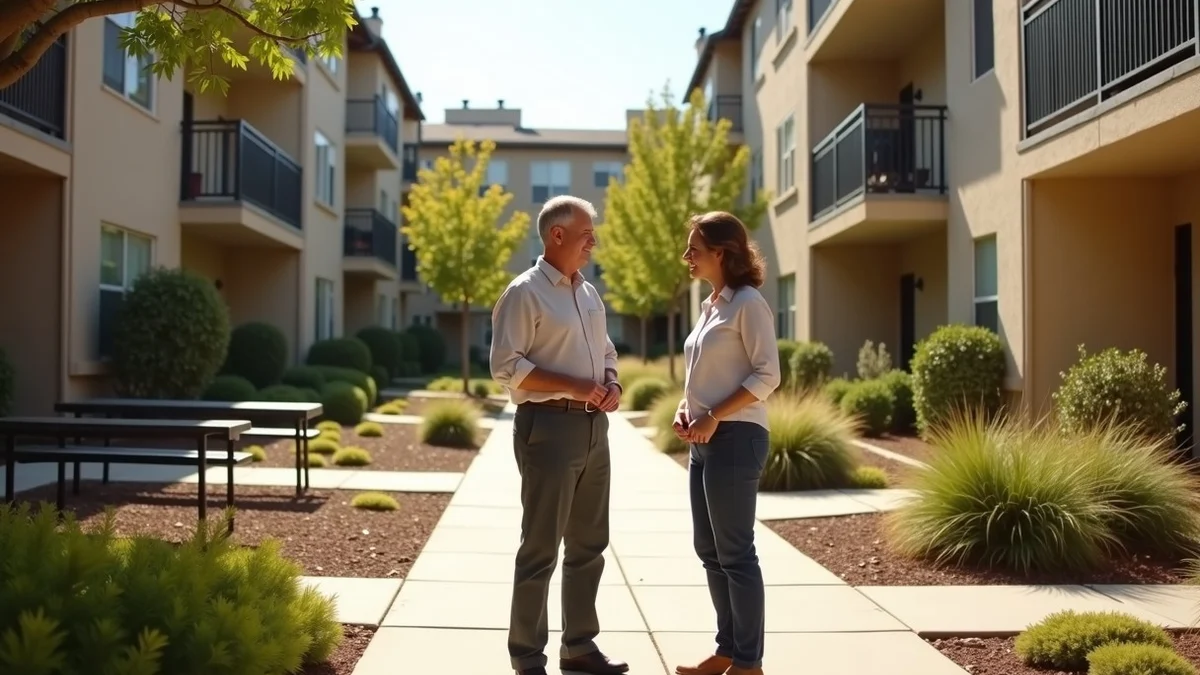
Outdoor, casual, and activity-centered settings can make an early meeting feel less ceremonial. When people meet around a walk, an outing, or another shared activity, the invitation may sound lower-pressure than a formal dinner plan. That tone can make it easier to spend time together without treating the first meeting as a major milestone.
The mechanism is social rather than emotional: a relaxed setting reduces the formality of the occasion, not necessarily the importance of the connection. A low-key plan may suit people who want to explore a serious relationship, people who are undecided, and people who want something casual. Reading the setting as proof of a relationship goal creates avoidable confusion. The useful distinction is between the style of the date and the intentions of the people on it.
Clarity matters when communication styles differ
Early dating becomes ambiguous when two people attach different meanings to the same behavior. One person may see intermittent messaging as normal while busy; another may see it as a sign of fading interest. One may assume exclusivity develops only after a direct conversation, while another may think regular dating already implies it. These differences are personal expectations, not reliable indicators of a California norm.
Direct but respectful discussion reduces the need to guess. Talking about availability, preferred communication, dating pace, or whether either person is seeing others makes the actual point of uncertainty visible. Clarity does not require a rigid script or an immediate commitment. It means allowing expressed preferences to carry more weight than assumptions based on a casual tone, a delayed reply, or a local stereotype.
Distance and schedules influence dating pace
Distance can change the practical meaning of dating regularly. Long commutes, traffic, work patterns, and existing social commitments can leave people with fewer easy windows to meet, even when they live within the same broader area. As a result, advance planning may be more important than it would be in a setting where travel is simpler and schedules overlap more often.
This can make interest appear inconsistent when the underlying issue is logistics. A person may be engaged when they are available but unable to make frequent last-minute plans; another may value spontaneous contact and interpret limited availability differently. Discussing realistic time constraints helps separate a scheduling mismatch from a lack of interest. It also makes follow-through easier to assess on the terms both people can actually meet.
Use context without making assumptions
A useful local observation identifies a condition that may affect an interaction. For example, knowing that travel time can make advance planning common gives context to why someone proposes plans several days ahead. An assumption goes further: deciding that this person must be emotionally distant, noncommittal, or uninterested because their approach seems casual or their calendar is constrained.
Context is most useful when it remains provisional. It can prompt a more accurate conversation about availability, communication, and preferences, but it should not become a shortcut for defining someone else's intentions. California's varied dating environments may influence the form and pace of early interactions; individual communication is what establishes whether two people are actually looking for a compatible fit.