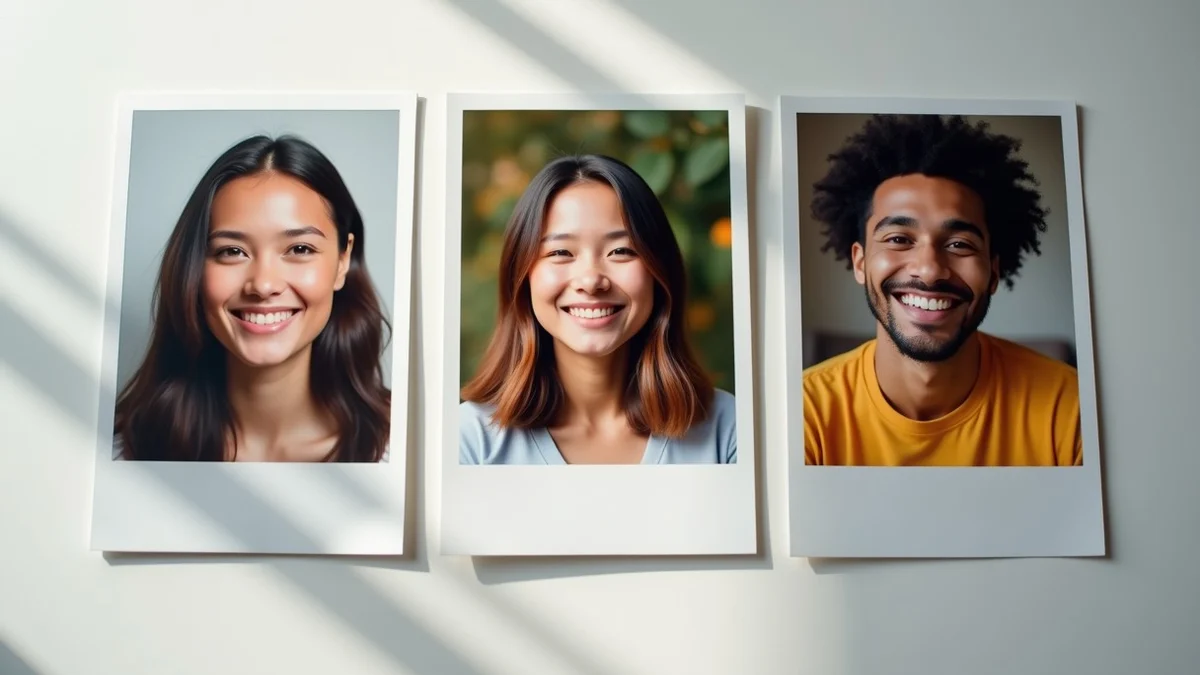
Published by California Dating Guide
Set the standard: recognizable, current, and representative
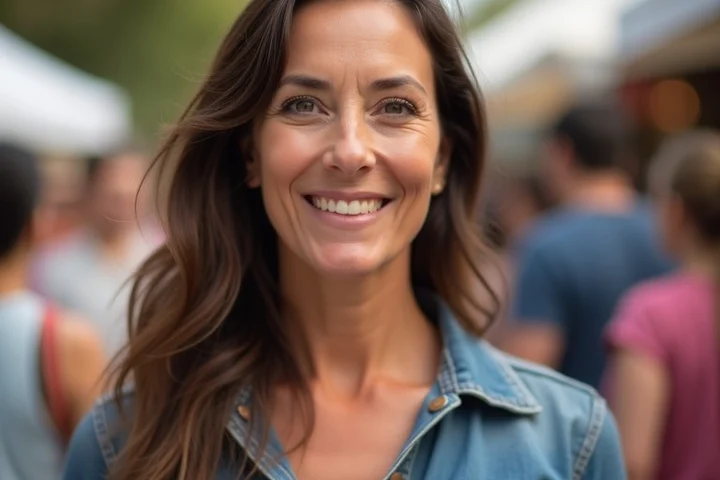
Your photos should make you easy to recognize in person. Use images that reflect your current hair, facial hair, glasses, general style, and overall appearance.
Make the first photo the clearest one: an unobstructed view of your face in decent light, with no sunglasses, heavy shadow, costume, or group to sort through. It carries the most identification weight because it is the image viewers use to understand who the profile belongs to.
Check each image for age as you select it. If no existing photo clearly shows your current appearance, take one simple recent photo before building the lineup.
Build the lineup in layers
- Choose a recent lead image where your face is clear, unobstructed, and easy to recognize.
- Add a natural full-body photo that reflects your current appearance. Prefer a straightforward photo over a mirror crop that hides your proportions or setting.
- Add one or two activity or setting photos that give genuine conversation context, such as being outdoors, cooking, making something, or attending an event.
- Remove near-duplicates. Several similar close-ups add less than one clear face photo, one full-body photo, and a small amount of distinct context.
- Remove images that are outdated, heavily filtered, blurry, dark, or confusing. Do not use edits that change identifying features.
Using activity photos as evidence, not camouflage
- Keep activity photos only when you are still identifiable at a glance.
- Use them to show a real interest or environment, not to replace a clear view of your face.
- Place a distant, action-heavy, dark, or busy image after the lead photo, or omit it if viewers must search for you.
- Choose context that adds something new. A second hiking photo may be redundant if the first already shows the same setting and activity.
Reviewing people, dates, and edits
Review group, family, and event photos before keeping them. If it is not immediately clear which person is you, choose a different image or place it later in the sequence after a clear solo lead photo.
Avoid photos with children or other people unless their privacy and consent are clear. A solo alternative is usually simpler and keeps the focus on your profile.
Remove older photos that no longer match your current appearance. Also remove filters and edits that reshape features, alter skin texture substantially, or create a version of you that a first-date match will not see.
Do the stranger preview
- Can a stranger identify you immediately from the first image?
- Does every photo reflect how you look now?
- Does the sequence include a clear face photo, a natural full-body photo, and useful non-repetitive context?
- Can viewers tell which person is you in every group or event image?
- Would someone meeting you in person see a consistent version of the person shown in the lineup?