Published by California Dating Guide
A workable San Francisco date begins with access
Start with the meeting area, not the activity. A scenic destination can sound appealing but becomes a poor first-date choice if one person faces multiple transfers, a long uphill walk, or an unclear final stretch from transit. Pick a neighborhood where each of you can arrive with a reasonably simple trip, then keep the venue within a few manageable blocks of the stop or station you are using.
The trade-off is straightforward: a destination date may feel more distinctive, while a transit-centered date makes it easier for both people to arrive relaxed and leave when the date has reached a natural end. If one person is coming from outside the city by regional transit or ferry, meeting near the point where that trip connects into the city can be more considerate than choosing a place that adds another cross-city leg.
Be explicit about walking expectations before you settle the plan. In San Francisco, a route that looks short on a map may include a steep grade, stairs, or a long wait between connections. A level meeting area with seating nearby is the better branch when either person prefers limited walking, is carrying work items, or is arriving after a full day. Save a longer waterfront walk, viewpoint, or neighborhood wander for a date when you know that pace suits both of you.
Verify the specific venue before sending the invitation. Confirm its current hours, entrance location, reservation policy, and whether its event schedule affects ordinary access. A good transit plan still fails if the place is closed, fully booked, hosting a private event, or harder to enter than expected.
Plan for the weather without overbuilding the date
Treat an outdoor idea as the primary plan only when the date still works if it lasts less than expected. For example, a brief walk followed by coffee can be appealing in comfortable conditions, but it should not depend on completing a long route. Choose the indoor stop first and keep the outdoor portion close enough that changing wind, fog, or rain does not turn the date into a scramble.
The useful backup is nearby and simple, not a second itinerary. If your first choice is a stroll, have a café, casual bar, bookstore, gallery, or other seated indoor option within the same meeting area. If the weather is poor from the start, go directly to the indoor plan rather than trying to preserve the original idea.
Avoid building a first date around several timed stops. A weather backup should reduce pressure, not force you to make new reservations, cross town, or decide between multiple alternatives in the moment. One primary format and one close fallback give you flexibility while keeping the invitation easy to understand.
Details to check before you invite someone
Before inviting someone, check the actual trip rather than assuming a familiar route will work at the proposed time. Look at the likely arrival stop, transfer count, final walking distance, and whether the route involves a hill or stairs. If the plan is in the evening, also make sure the return trip is workable enough that neither person feels rushed to leave early.
Confirm accessibility details that affect the experience: step-free entry where needed, elevator availability if relevant, seating, restroom access, and the practical distance between transit and the venue. These checks are not only for formal accessibility needs; they also matter when one person is arriving in work clothes, dealing with bad weather, or simply does not want the date to begin with a strenuous walk.
Then verify venue details: opening hours for that day, ticket or timed-entry requirements, reservation rules, expected wait time, noise level during events, and any special program that could change normal access. For an activity-based date, establish whether the activity leaves room to talk and whether you can leave after about an hour without losing the point of the plan.
If any of those details are uncertain, choose the simpler format. A reliably open place with seating near transit is usually a better first-date decision than a more elaborate idea that depends on perfect timing.
Formats that keep the focus on conversation
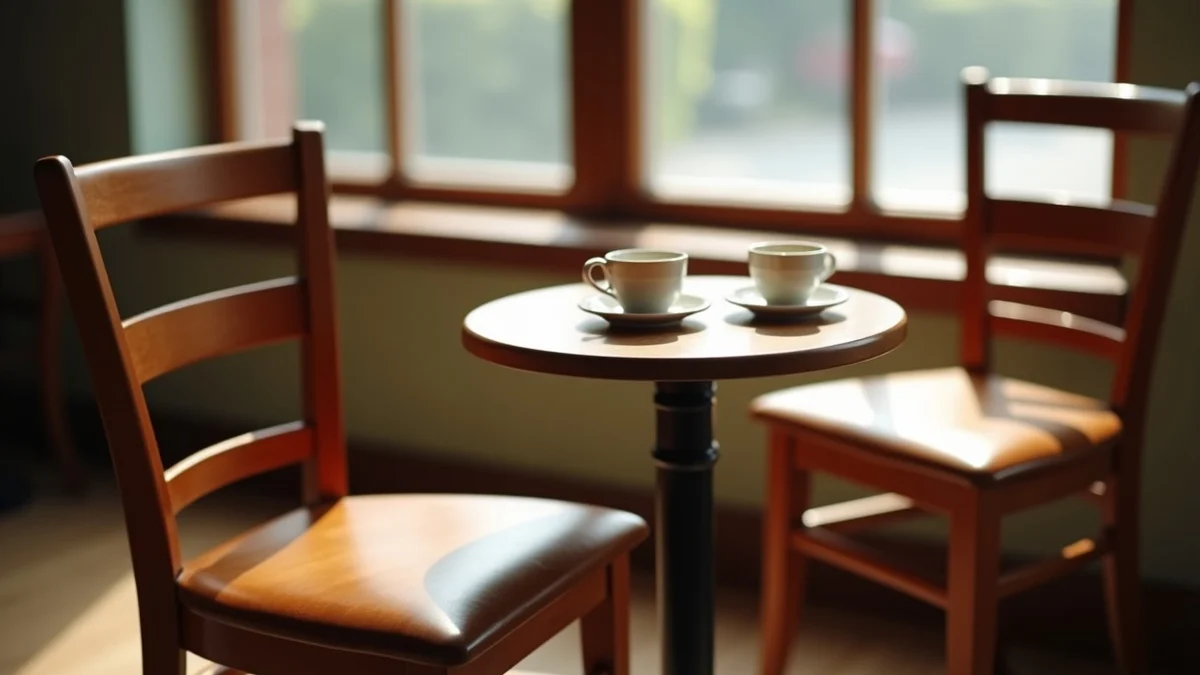
The best first-date formats give you something light to do while preserving enough quiet to talk. A coffee, tea, dessert, or casual drink near transit is the most flexible option: it has seating, a clear endpoint, and room to extend into a short walk only if both of you want to. It is the best choice when schedules are uncertain, weather is questionable, or you are meeting after work.
A compact cultural stop followed by a seated drink works when you want more structure. The activity gives you an easy shared topic, while the second stop creates the actual conversation time. Keep the activity short and avoid a format that requires sustained silence, constant concentration, or a fixed multi-hour commitment; otherwise, the date can feel more like attendance than getting acquainted.
A small food-focused plan can work well if it is genuinely casual and easy to exit. Choose a place where you can sit and talk without committing to a long formal meal. Compared with dinner, this reduces the time, cost, and reservation pressure while still feeling more intentional than a quick coffee.
A short neighborhood walk is a good add-on, not always a sufficient plan by itself. Use it when the route is relatively level, conditions are comfortable, and there is a seated stop at either end. If the route requires significant hills or leaves you exposed to wind and rain, reverse the priority: meet indoors first, then decide together whether a brief walk is worth adding.
For most people, the strongest San Francisco first-date plan is a transit-accessible seated stop with an optional nearby second move. It leaves room for a good conversation, accommodates the city’s terrain and weather, and lets the date end naturally if the connection is not there.
Choose convenience over spectacle for a San Francisco first date: meet near simple transit, set a short seated plan, and keep one close indoor alternative. A plan that is easy to reach and easy to adjust gives conversation—not logistics—the best chance to carry the date.