Published by California Dating Guide
Build control into the location and route

- Choose a public venue that is open when you plan to meet, has other people around, and gives you a straightforward way to leave. Pick a place you can find and navigate on your own rather than depending on the other person to guide you.
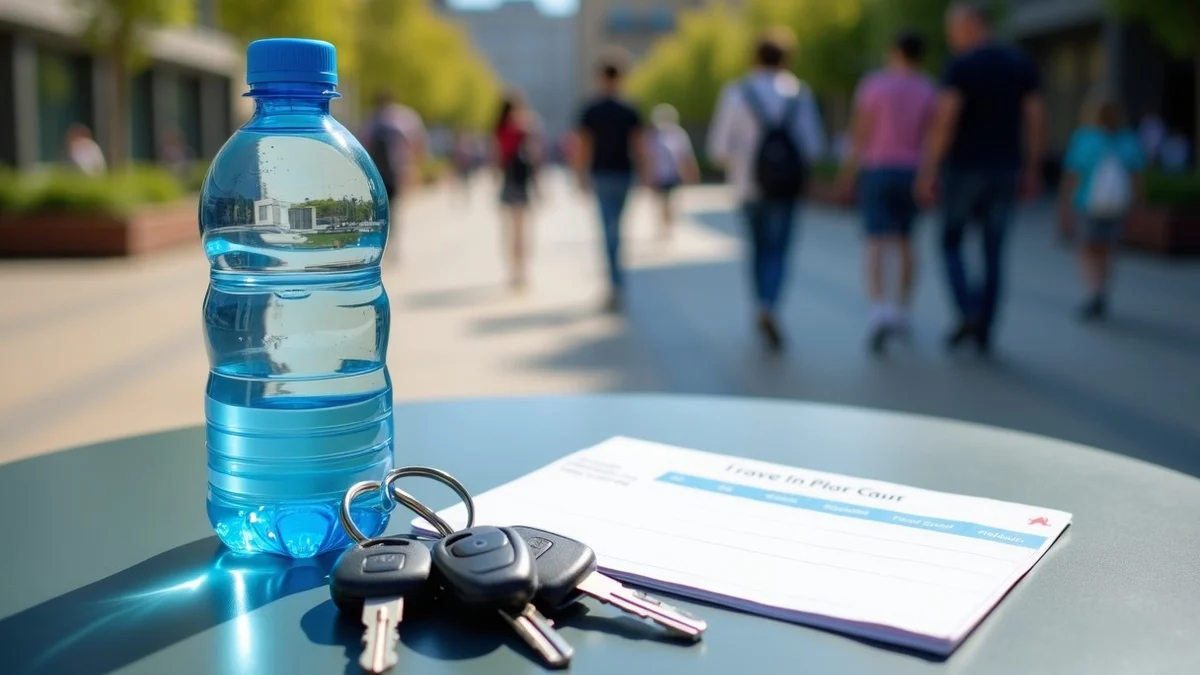
- Set a specific meeting time and meet there separately. Do not give a new date your home address for pickup or drop-off. Drive yourself, use transit, arrange a ride service, or use another travel option you can manage independently.
- Confirm your return route before you go. Keep enough phone battery, payment access, and time to leave without asking the date for help. If you have mobility or access needs, confirm that the venue entrance, seating, restroom access, and transportation plan support an independent exit.
- Treat a last-minute proposal to switch to a home, hotel, car, isolated area, or unfamiliar second location as a reason to return to the public plan or decline. You do not need to accept a change simply because you are already dressed, traveling, or at the meeting point.
Make the plan visible to one trusted person
Before leaving, send one trusted person the date's first name or profile details, the venue, the meeting time, and your expected departure time. Share the information needed to identify the plan without turning the check-in into an overshare.
Agree on a simple check-in: for example, a message after you arrive and another when you are home or on your way. Make sure that person knows how to reach you and what it means if you do not respond as planned. If the location changes, update them before you go anywhere else.
Keeping your judgment and belongings under your control
Bring only what you need, and keep your phone, keys, wallet, identification, and medication with you. Do not leave a drink or personal belongings with someone you have just met. If you step away from a drink and no longer want it, replace it rather than trying to judge whether it has been untouched.
If alcohol is part of the plan, set a limit that lets you make decisions and travel home independently. You can choose not to drink, stop after one drink, order food or a nonalcoholic option, or end the date rather than continue in a setting where you feel pressured to drink or stay longer.
A request to extend the date or move somewhere else is optional, not a commitment. A short first meeting can stay short. Keep your departure plan intact instead of accepting a ride, changing to a private location, or allowing the other person to hold what you need to leave.
A boundary does not need a debate
State a boundary as soon as you want one. Use plain language: “I’m staying here,” “I’m not drinking more,” “I don’t want to be touched,” or “I’m leaving now.” You do not have to make a case for why you feel uncomfortable.
If the other person argues, jokes, keeps asking, or tries to bargain, repeat the boundary once if you choose, then act on it. Decline the location change, create physical space, ask staff for assistance, or leave. Consent to meet for a date is not consent to physical contact, alcohol, a ride, or continuing the evening.
Leaving early when the plan stops feeling right
Leave at the first point you want to leave. You can say that you are heading out, walk to your planned transportation, and contact your trusted person once you are away. Discomfort is enough reason; you do not need proof that something is wrong or permission from the date.
If leaving alone feels difficult, move toward employees, security, a staffed counter, or a busier public area and ask for help getting out. Call or message your trusted contact for support. If you believe you are in immediate danger or need urgent help, contact emergency services.
Your plan is complete when you have a public meeting point, separate arrival and departure, one trusted person who knows the details, your essentials under your control, and a route you can use without negotiation.
References
- What To Know About Romance Scams — Federal Trade Commission