
Published by California Dating Guide
California distance is measured door to door
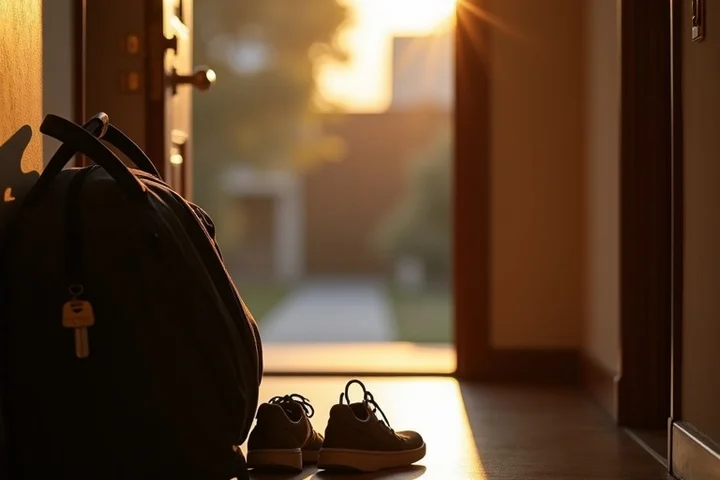
In California, map distance poorly measures dating feasibility. The full trip matters: getting to a station or airport, driving or connecting, arriving with enough energy to be present, and returning in time to resume ordinary life. A connection between San Francisco and San Diego, for example, often requires far more planning and recovery than its mileage suggests. Even a shorter in-state trip becomes difficult when departures, traffic, transfers, or late returns consume the usable part of a weekend.
An honest travel calculation includes the hours from leaving home to getting settled, the cost in rest and money, and any necessary workday or caregiving time either person gives up. Include the return trip. An enjoyable visit that leaves one person depleted for several days is not automatically unsustainable, but it does not support a casual, repeatable plan without adjustment.
The shared-effort test
A promising long-distance connection shows visible reciprocity over time. Every trip need not look identical. One person might have a more flexible schedule, a more convenient home base, or a temporary reason that limits travel. The key measure: both people acknowledge the imbalance and contribute meaningfully through travel, hosting, planning, costs, or schedule protection.
After a visit ends, look for shared action on the next date, travel constraints, and a concrete plan. In a reciprocal pattern, both people initiate, propose options, buy tickets, clear calendars, and share disappointment when plans drift. Persistent inequality signals readiness and priority, not merely a planning flaw.
A visit cadence has to fit ordinary life
An ordinary month, not an ideal one, should set the visit rhythm. Work deadlines, caregiving, health needs, existing family time, rest, and travel costs limit what either person promises. Credible plans leave room for recurring in-person time without repeatedly pushing aside necessities.
Begin with a concrete next meeting, then test the pattern it implies. When neither person names a realistic date without one person doing all the planning, the connection does not yet show enough shared capacity for a committed relationship. When the next meeting has a date but every following one remains unknowable, keep expectations proportionate to that uncertainty rather than treating occasional visits as a stable cadence.
Between visits, communication has a limited job
Communication between visits should preserve continuity: sharing ordinary moments, resolving small misunderstandings before they grow, and making plans together. Agree on a rhythm that suits both people rather than assuming constant messaging proves commitment. A dependable call or a clear expectation around busy periods can be more useful than an all-day exchange that neither person can sustain.
But communication does not substitute for an in-person pattern that never takes shape. Long calls often deepen familiarity, yet they do not settle whether the pair spends enough actual time together to build the relationship they want. When messages feel intimate while visits remain perpetually uncertain, address the visit problem directly instead of using communication to avoid it.
Future proximity changes the meaning of distance
Distance takes on a different meaning when it has a defined end. A work relocation, degree program, family obligation, or defined project makes a demanding California travel pattern worth sustaining when both people understand what is ending, when it ends, and what changes afterward. The end point need not guarantee a move or a shared home. It needs enough credibility that neither person silently waits for an indefinite problem to resolve itself.
An open-ended arrangement sometimes works, provided the current visit cadence genuinely meets both people’s needs. When future proximity matters to either person, discuss whether either person has a plausible change in location, work arrangement, or time availability. A vague statement that things become easier does not amount to a plan.
Sources for this guide
- San Francisco — official information — San Francisco
- San Diego — official information — San Diego
- California — official information — California
- What To Know About Romance Scams — Federal Trade Commission