Published by California Dating Guide
Repeat contact matters more than chance encounters

A one-off social event can produce a conversation, but a recurring group gives that conversation somewhere to go. Seeing the same people again removes the pressure to make an immediate impression or decide whether to ask someone out before you know them.
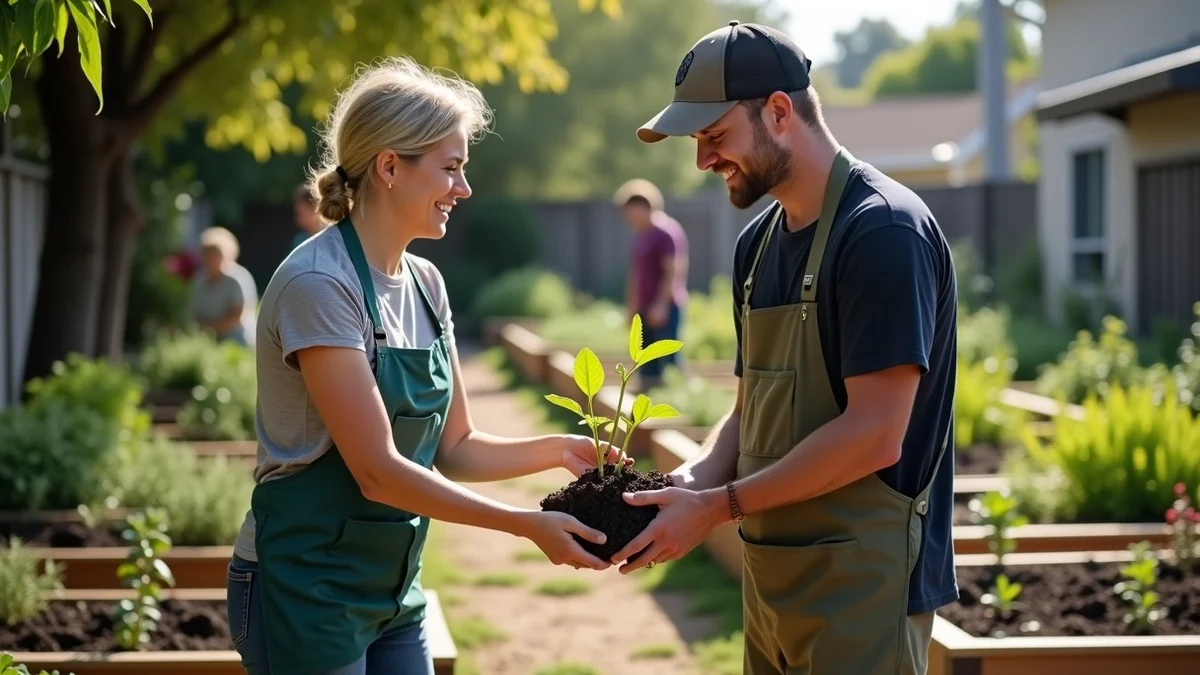
Look for recurring group activities with natural time around the main event: arrival, setup, breaks, cleanup, or a casual conversation afterward. A class, volunteer commitment, hobby group, recreational activity, or community project is effective when people have a reason to return and a little room to talk.
Joining a group to target participants undermines the goal: a regular part of your life where shared interests and low-stakes conversation develop into genuine familiarity.
Choose activities you would keep doing
- One or two interests you would pursue even if nobody there became a date are enough. Activities that fit your actual schedule, budget, energy level, and transportation routine are easier to maintain. A sustainable commitment is more useful than an ambitious plan you abandon after two weeks.
- Recurring formats are preferable to isolated events. Weekly, biweekly, or regular volunteer shifts give people time to recognize you and resume earlier conversations. With a limited schedule, one recurring commitment is more useful than scattering your effort across unrelated one-off outings.
- Check whether the activity permits informal interaction. Some groups are so structured that participants arrive, complete the activity, and leave. If you enjoy such a group, keep it for the activity itself, but add one setting with more unstructured time before or after the main event.
- Choose participation over observation. Help set up, ask a practical question, join a group discussion, or stay briefly after the activity. You do not need to dominate the room; you need enough repeated contact for conversation to become normal.
Become a familiar participant
- Attend consistently long enough for people to place you. Do not treat a quiet first visit as a verdict on the group or your prospects. Early visits often involve learning names, routines, and existing social patterns.
- Start with brief, situational conversations. Ask about the activity, comment on something that happened in the group, or introduce yourself to someone you have seen more than once. Keep the first exchange easy to end rather than forcing a long conversation.
- Build on prior contact the next time you meet. Use their name if you know it, ask a simple follow-up about a topic they raised, or continue a conversation after the activity. This shows attention without making the interaction feel like a dating interview.
- Accept appropriate group invitations when you can. Joining a post-activity coffee, a shared meal, or another group plan broadens your connections and gives you more chances to meet friends of people you already know.
Use introductions and group ties naturally
Let the group do some of the social work. When you have become a regular, introduce yourself to people standing nearby, join an open conversation, and learn how members know one another. A wider circle makes introductions feel ordinary rather than arranged around a dating objective.
You can also tell trusted friends that you are open to meeting someone, without asking them to recruit dates for you. A simple statement such as, “I have been trying to meet people more organically, so include me when your group gets together,” gives them useful information while leaving everyone room to choose their level of involvement.
Avoid treating every new person as a prospect. Be courteous to everyone, contribute to the activity, and let interest develop through actual interaction. That protects the group atmosphere and makes any eventual invitation more respectful.
Moving from acquaintance to invitation
Consider an invitation when conversation has become easy in both directions. Useful signs include the person continuing conversations, asking you questions, choosing to spend a little extra time talking, or responding positively when you suggest a small shared plan. None of these signs guarantees interest, but they are better grounds than asking someone out immediately after an introduction.
Make the invitation specific, simple, and easy to decline: “I have enjoyed talking with you after the group. Would you like to get coffee sometime next week?” If they hesitate, give an unclear answer, or decline, accept it once and continue behaving normally in the shared setting.
You have a workable offline approach when your week includes recurring settings, you are known well enough to start conversations naturally, and you can move from mutual rapport to a clear, low-pressure invitation without treating every gathering as a single chance.